
Ever found yourself wondering where all your money went at the end of the month? Or perhaps you’ve felt that familiar flutter of anxiety after a weekend, questioning if you got a little carried away? Gambling can be a thrilling pastime, but without a clear picture of your habits, it’s easy to lose sight of the bigger picture. This isn’t about demonizing gambling or advocating for complete abstinence. Instead, it’s about empowering you with knowledge.
Tracking gambling habits is like holding up a mirror to your behavior. It allows you to see patterns, identify triggers, and ultimately make more informed decisions. Imagine being able to pinpoint exactly when and why you tend to overspend, or understanding which games lead to the biggest losses. With this information, you’re no longer gambling blindly; you’re making conscious choices.
This article will explore the many benefits of tracking your gambling habits, providing insights and practical tips to help you gain control and cultivate a healthier relationship with gambling. We’ll delve into the tools and techniques you can use to monitor your spending, recognize potential problems, and make informed choices that align with your financial goals and overall well-being. Get ready to transform your understanding of your gambling behavior and take the first step towards responsible gambling management.
Why Track Your Gambling?
Ever feel like your gambling is a bit of a rollercoaster? Tracking your wins and losses might seem like extra work, but it’s actually a powerful tool for staying in control and making smarter choices. It’s not about judging yourself; it’s about gaining awareness.
One of the biggest benefits of tracking gambling is simply increased awareness. When you meticulously record every bet, every win, and every loss, you get a clear picture of where your money is going. This raw data can be eye-opening. You might be surprised to discover you spend more than you thought or that certain games consistently drain your bankroll.
Beyond just awareness, tracking helps with gambling pattern recognition. Are you more likely to bet big after a loss, chasing that elusive win? Do you tend to gamble more when you’re stressed or bored? Identifying these patterns is the first step in breaking free from destructive habits. It allows you to anticipate your triggers and develop strategies to manage them.
Many people think tracking is only for those with serious gambling problems. That’s a misconception. The truth is, everyone can benefit. Even casual gamblers can use tracking to ensure their hobby remains a fun and affordable pastime. It’s about responsible gambling and making informed gambling decisions.
The psychological benefits are also significant. Self-monitoring can reveal hidden biases and irrational beliefs. For example, you might believe you’re “due” for a win after a losing streak – a common gambler’s fallacy. Tracking exposes these false assumptions, allowing you to approach gambling with a more rational mindset. Think of it as a reality check, keeping you grounded when emotions run high.
And let’s not forget the practical aspect of debt control. Monitoring your spending helps you stay within your budget and avoid accumulating debt. One doesn’t need to go to extremes, instead tracking your gambling can be a safety measure, something like a financial health checkup.
Choosing the Right Tracking Method
Finding the perfect way to track gambling habits is a personal journey. There’s no one-size-fits-all solution, as the ideal method depends on individual preferences, technical skills, and the level of detail desired. Let’s explore some popular options.
Gambling Tracking Apps
For the tech-savvy, gambling tracking apps offer a convenient and feature-rich experience. Many apps allow for automatic data import from online gambling accounts, providing a real-time snapshot of wins, losses, and spending. Features like customizable reports, visual charts, and even budgeting tools are common. However, be mindful of privacy. Always review an app’s security measures and data policies before entrusting it with sensitive financial information.
Gambling Spreadsheets
Spreadsheets offer a flexible and customizable tracking solution. Users can design their own templates or download pre-made ones, tailoring the data fields to their specific needs. While spreadsheets require manual data entry, which can be time-consuming, they provide complete control over the information. Programs like Microsoft Excel or Google Sheets are sufficient for gambling tracking.
Gambling Journals
For those who prefer a more traditional approach, a physical journal can be an excellent tool for tracking gambling habits. Journals allow for recording not just financial data but also emotions, thoughts, and triggers associated with gambling. This qualitative data can provide valuable insights into gambling behavior. The downside is the manual effort required and the lack of automated analysis.
Online Gambling Trackers
Several online platforms are specifically designed for gambling tracking. These platforms often offer a range of features, including data visualization, goal setting, and community support. Some may integrate with online gambling accounts for automatic data entry. As with apps, carefully evaluate the platform’s privacy and security measures before entrusting it with personal information.
Ultimately, the best tracking method is the one that you find easiest to use and most effective in providing the insights you need. Don’t be afraid to experiment with different methods or even combine them to create a hybrid approach that works best for you. The goal is to gain a clear and accurate understanding of your gambling habits.
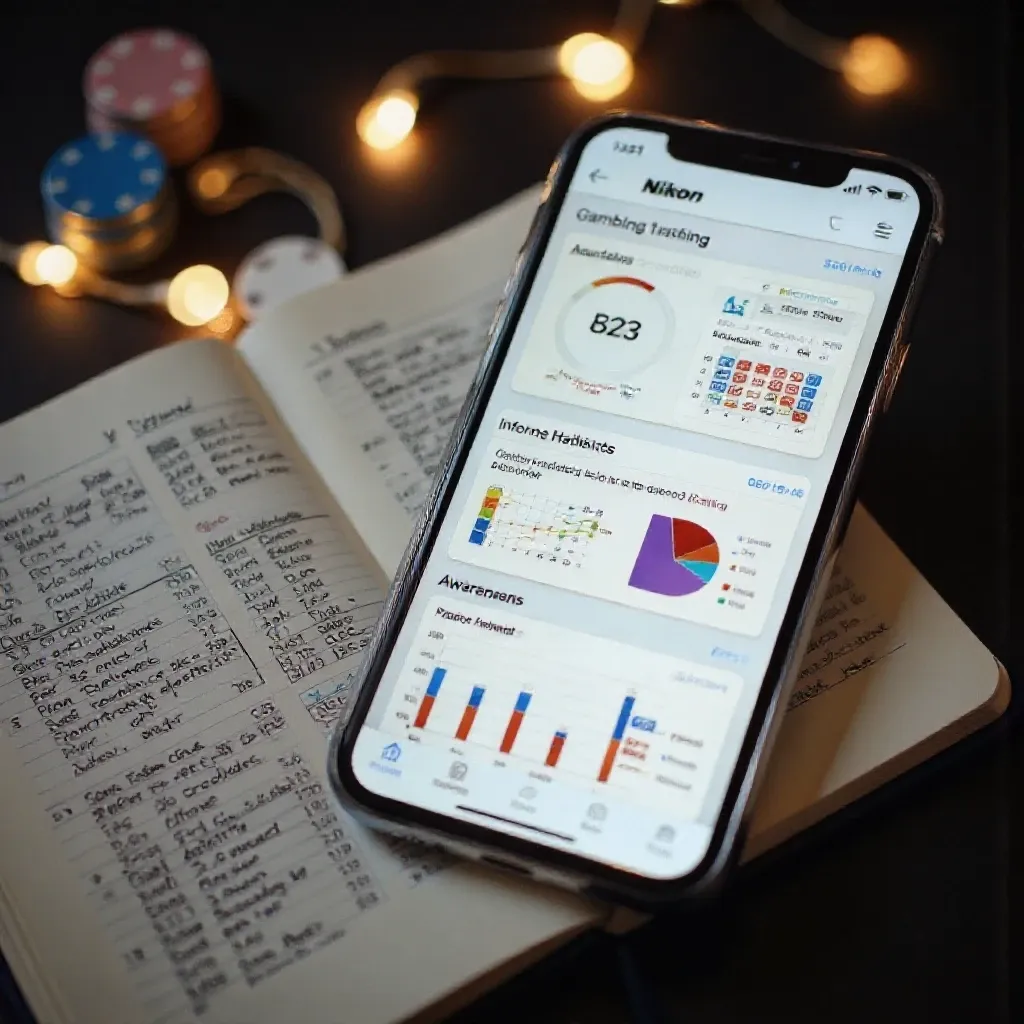
Setting Up Your Tracking System
Ready to take control? Setting up a gambling tracker is the first, crucial step. Think of it as building the cockpit for your financial flight – you wouldn’t fly blind, would you? This involves choosing a system and defining what you’ll monitor. It’s not rocket science, but consistency is key.
Essential Data Points to Track
What exactly should you be noting down? Here’s a checklist to get you started:
- Amount Spent: Obvious, but vital. Every single bet, deposit, or fee needs to be recorded. Don’t round it off; get precise.
- Time Spent: This is where many people stumble. Track the actual time you’re gambling, not just the time you think you are. Use a timer if necessary.
- Games Played: Note the specific game or event you’re betting on. “Casino” isn’t enough; specify “Blackjack” or “Roulette.”
- Wins/Losses: Record both your wins AND your losses, again with precision. Don’t just focus on the big wins and conveniently forget the smaller losses.
- Platform Used: Which site or establishment did you use? This helps identify patterns and potential problem areas.
Choosing Your Weapon: Spreadsheets vs. Apps
You’ve got options! A simple spreadsheet (Excel, Google Sheets) is a great starting point, offering flexibility and customization. Label the columns clearly (Date, Platform, Game, Stake, Win/Loss, Time) and be religious about updating it. Gambling data tracking apps offer convenience and automate some entry, but ensure they’re reputable and secure before entrusting them with your data.
Accuracy and Consistency: The Cornerstones
Garbage in, garbage out! Your tracker is only as good as the data you input. Be honest, be accurate, and be consistent. Set aside a specific time each day or week to update your tracker. Treat it like a bill you have to pay – no excuses.
Handling Multiple Accounts
Gambling across several platforms? No problem. Just ensure your tracking system can accommodate multiple accounts. Consider using separate tabs or sheets within your spreadsheet, or using an app designed for multi-account tracking. The goal is clear separation of data for accurate analysis.
Analyzing Your Gambling Data
Once you’ve diligently tracked your gambling activities, the next crucial step is to analyze the collected data. This process transforms raw numbers into actionable insights, helping you understand your gambling habits and identify potential problem areas. Effective data analysis can illuminate patterns, trends, and triggers that might otherwise go unnoticed.
Basic Data Analysis Techniques
Several basic techniques can provide a clear picture of your gambling behavior. Start by calculating your win rate, which is the percentage of times you win versus the total number of bets placed. Conversely, your loss rate represents the percentage of bets you lose. Comparing these two metrics reveals your overall profitability or loss over a specific period.
Another critical metric is the time spent gambling. Tracking the duration of your gambling sessions can highlight whether you’re exceeding your intended limits. Consider breaking down this data by day of the week or time of day to pinpoint when you’re most likely to gamble for extended periods.
Calculating Key Metrics: Examples
For example , if you placed 100 bets and won 35 of them, your win rate is 35%. If you lost 65 bets, your loss rate is 65%. Consistently high loss rates should raise a red flag.
Similarly, if you initially planned to gamble for only one hour but frequently find yourself gambling for three or four hours, this indicates a potential loss of control.
Visualizing Your Data
Creating charts and graphs can make it easier to spot trends and patterns in your gambling data. A simple line graph can illustrate how your wins and losses fluctuate over time. Pie charts can show the proportion of your bets placed on different types of games. Visual aids transform complex data into easily digestible information.
Real-World Examples
Consider someone who, after analyzing their data, discovered that they consistently lost more money on Friday nights after socializing with friends. This insight allowed them to identify a specific trigger and implement strategies to avoid gambling in that situation. Someone else might realize they spend excessive amounts of time on online slots during their lunch breaks, prompting them to find alternative ways to fill that time.
Seeking Professional Assistance
If you find data analysis challenging or feel overwhelmed, consider seeking professional assistance. A therapist or financial advisor specializing in gambling addiction can provide valuable guidance. There are also software and apps designed to analyze gambling data and provide personalized insights.

Turning Insights into Action
Data analysis of gambling habits offers more than just numbers; it provides a roadmap for change. Understanding your patterns, triggers, and tendencies unlocks the power to make informed decisions and adopt responsible gambling strategies. This is where insight transforms into action, leading to healthier and more controlled engagement.
Setting Gambling Limits: A Concrete Step
The data might reveal that you consistently overspend on weekends or chase losses after a certain hour. Armed with this knowledge, set clear, realistic financial limits. This could mean allocating a specific, predetermined amount for gambling per week or month and strictly adhering to it. Explore pre-commitment programs offered by some platforms, allowing you to set deposit or spending limits in advance. Similarly, time limits are crucial. If your data shows you gamble for extended periods, set alarms or use timers to enforce breaks. Avoid gambling when tired or emotionally vulnerable, as these states can impair judgment and lead to impulsive decisions.
Reducing Gambling Risk: Smart Strategies
Beyond limits, proactive risk reduction is key. Diversify your leisure activities to avoid relying solely on gambling for entertainment. Engage in hobbies, spend time with loved ones, and explore other forms of recreation. If certain games or betting types consistently lead to losses, consider avoiding them altogether. The goal is not to eliminate enjoyment entirely but to minimize the potential for harm.
Knowing When to Seek Help
Sometimes, even with diligent self-monitoring, a gambling problem can persist or escalate. Recognizing the signs is vital. Are you consistently exceeding your limits? Are you experiencing anxiety or stress related to gambling? Are you borrowing money or neglecting responsibilities to gamble? If the answer to any of these questions is yes, reaching out for professional help is a sign of strength, not weakness. Many resources are available, including therapists specializing in addiction, support groups like Gamblers Anonymous, and helplines offering confidential guidance. Remember, seeking help is a proactive step towards regaining control and reclaiming your well-being.
Maintaining Consistency and Avoiding Pitfalls
The journey of tracking gambling habits is paved with good intentions, but staying consistent can feel like navigating a maze. Life throws curveballs, and suddenly, that meticulously planned spreadsheet gathers dust. The key is to build tracking into your routine, like brushing your teeth. Maybe it’s five minutes every evening to log your day, or a quick note on your phone after each session. Find what works best for you and stick to it, even when you don’t feel like it.
One major pitfall is inaccurate data entry. It’s tempting to round down losses or forget about small wins, but that skews the whole picture. Be honest, be precise. Treat it like a science experiment – your gambling behavior is the subject, and accurate data is your microscope.
Emotional bias is another sneaky culprit. Wins can feel amazing, losses can sting, and it’s easy to let those emotions color your perception. Maybe you tell yourself that one big loss was just bad luck and doesn’t really count. Or maybe you only track the sessions where you won, conveniently forgetting the others. The solution? Acknowledge your feelings, but don’t let them dictate the data. Remember, the goal is to see the reality of your gambling, not the rosy (or gloomy) picture your emotions paint.
Setbacks are inevitable. You might miss a few days of tracking, or slip up and gamble more than intended. Don’t beat yourself up. It’s easy to feel discouraged and want to give up, but that’s the worst thing you can do. Instead, practice self-compassion. Forgive yourself, learn from the experience, and get back on track. Think of it like a marathon – you might stumble, but the important thing is to keep moving forward.
Resources and Further Support
For individuals seeking more information and assistance regarding responsible gambling, a variety of resources are available. These resources provide guidance, support, and professional help for those who may be struggling with gambling-related issues.
- National Council on Problem Gambling (NCPG): The NCPG offers a wealth of information, resources, and support for problem gamblers and their families. Their website features a helpline, educational materials, and a directory of treatment providers.
- Gamblers Anonymous: A self-help organization modeled after Alcoholics Anonymous, Gamblers Anonymous provides a supportive environment for individuals who want to stop gambling. They offer meetings, peer support, and a 12-step program.
- Gam-Anon: Gam-Anon is a support group for the families and friends of problem gamblers. They provide a safe space for loved ones to share their experiences, learn coping strategies, and receive support.
- Local Mental Health Services: Many local mental health agencies offer counseling and therapy services for individuals struggling with gambling addiction. Contacting local services can provide access to professionals specialized in addiction treatment.
These resources are intended to provide support and guidance for responsible gambling practices and to offer assistance to those who may be experiencing difficulties. Seeking help is a sign of strength, and these organizations are dedicated to providing confidential and compassionate support.