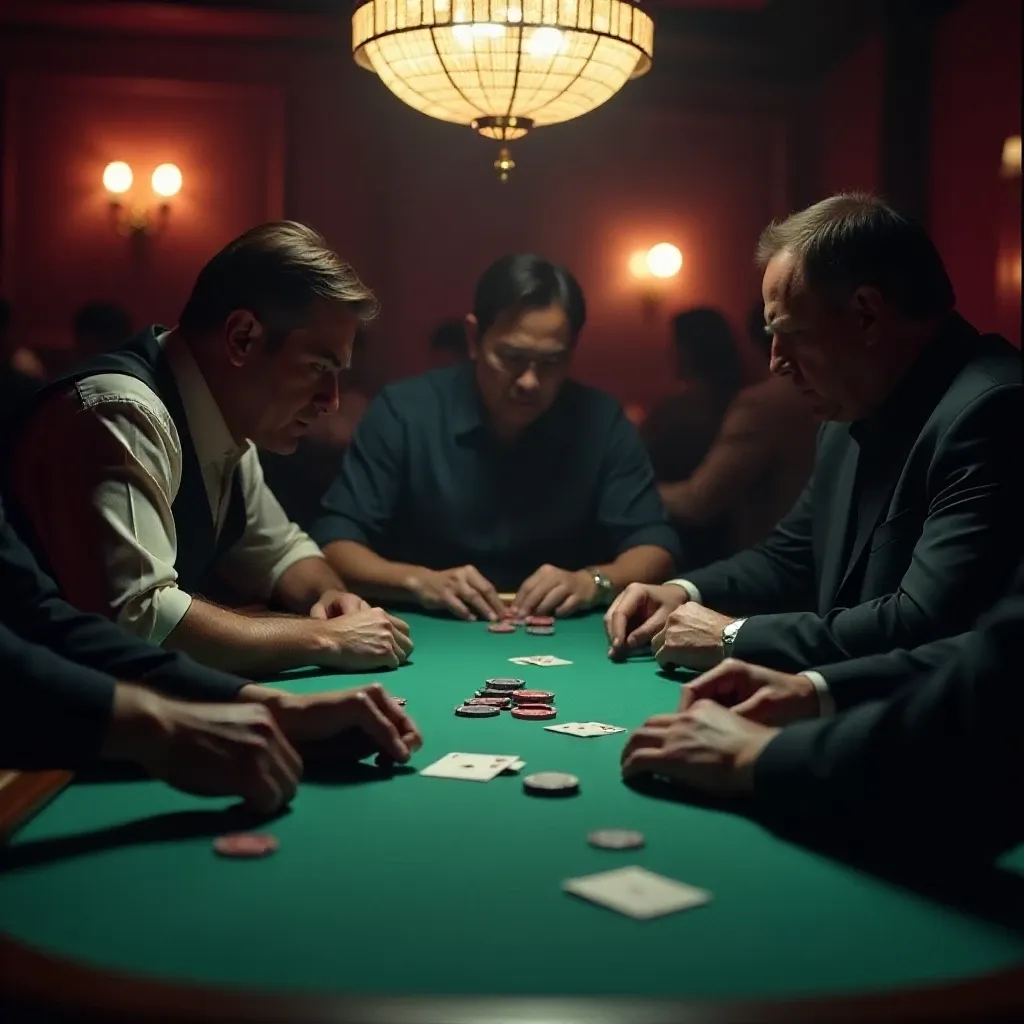
The clatter of chips, the focused stares across the felt, the almost palpable tension hanging in the air – nothing quite compares to the electric atmosphere of a live poker game. I remember one particular hand, years ago, at a dimly lit casino. I was holding a pair of kings, felt confident, but my opponent’s subtle smirk sent a shiver down my spine. Was it a bluff, or did he have me beat? That moment, that intense mental battle, is what makes live poker so captivating.
While online poker offers convenience and accessibility, it simply can’t replicate the raw, visceral thrill of playing face-to-face. Live poker provides a deeply rewarding and engaging experience thanks to its unique combination of social interaction, psychological duels, and tangible elements. It’s a timeless pursuit, an adrenaline-fueled ride where skill, strategy, and human intuition collide.
The Thrill of the Felt: Beyond the Digital Deck
Live poker and online poker, while sharing the same core rules and poker variants, diverge dramatically regarding the overall poker experience. In the digital realm, algorithms and random number generators dictate card distribution, creating a predictable, albeit statistically fair, environment. However, the controlled precision contrasts sharply with the unpredictable, dynamic atmosphere of real-time poker.
In-person poker ignites the senses. It transcends mere number-crunching. Opponents are physically present, their tells, mannerisms, and subtle cues adding layers of complexity that algorithms simply cannot replicate. Deciphering an opponent’s hesitation before a bet or spotting a slight twitch as they glance at their chips becomes critical. The pressure mounts, demanding rapid decision-making based on incomplete information. Unlike the measured pace of online play, live poker is fluid, requiring constant adaptation to unfolding events and the ever-shifting dynamics of the table.
The live game demands a different skillset. One needs an acute awareness of his surroundings and the ability to read people rather than relying solely on statistics and pre-calculated odds. It’s a high-stakes dance of strategy, psychology, and raw instinct.
The Tactile Experience: Chips, Cards, and the Felt
The clack of poker chips as you riffle them together, the crisp snap of freshly dealt cards, the smooth texture of the felt beneath your fingertips – these tactile sensations are intrinsic to live poker. The weight of a sizable stack in your hands carries a palpable feeling of power and possibility. Each physical interaction amplifies the excitement, grounding you in the present moment and heightening the stakes. This sensory engagement contributes an undeniable authenticity, enriching every bluff, call, and triumphant win.
Decoding the Human Element: Tells, Psychology, and Live Reads
In the thrilling arena of live poker, mastering the cards is only half the battle. The other, equally vital, component lies in the subtle art of decoding human behavior. This is where ‘tells’ come into play. Poker tells are essentially unintentional physical or verbal cues that betray a player’s hand strength or intentions. Think of them as leaks in their poker face, offering observant opponents valuable insights.
These tells can manifest in a multitude of ways. A player nervously touching their chips might be bluffing with a weak hand, while someone exhibiting excessive confidence could be masking a vulnerable position. Verbal cues, such as hesitant speech or a forced tone, can also be revealing. The key is to look for inconsistencies – a player stating “I have nothing” while simultaneously placing a large bet is a classic red flag. Some professional poker players, renowned for their sharp observational skills, have built their success on exploiting these subtle tells, turning psychological insights into a strategic advantage.
The Art of Observation: What to Look For
Effective observation in poker involves paying close attention to various aspects of a player’s demeanor. Notice their posture – are they slouched and relaxed, or tense and upright? Eye contact can be particularly telling; are they avoiding it altogether, or staring intently at their chips? Hand movements, like fidgeting or trembling, can indicate nervousness. Even a change in breathing patterns, such as shallow or rapid breaths, can betray anxiety. Finally, analyzing betting patterns is crucial. Deviations from their usual betting style can signal a bluff or a particularly strong hand. The most important tip is to establish a baseline for each opponent. Observe their behavior when they are not involved in a hand to understand their natural tendencies. This allows you to detect subtle changes that might indicate a tell when they are actively playing.
The Social Game: Community, Camaraderie, and Competition
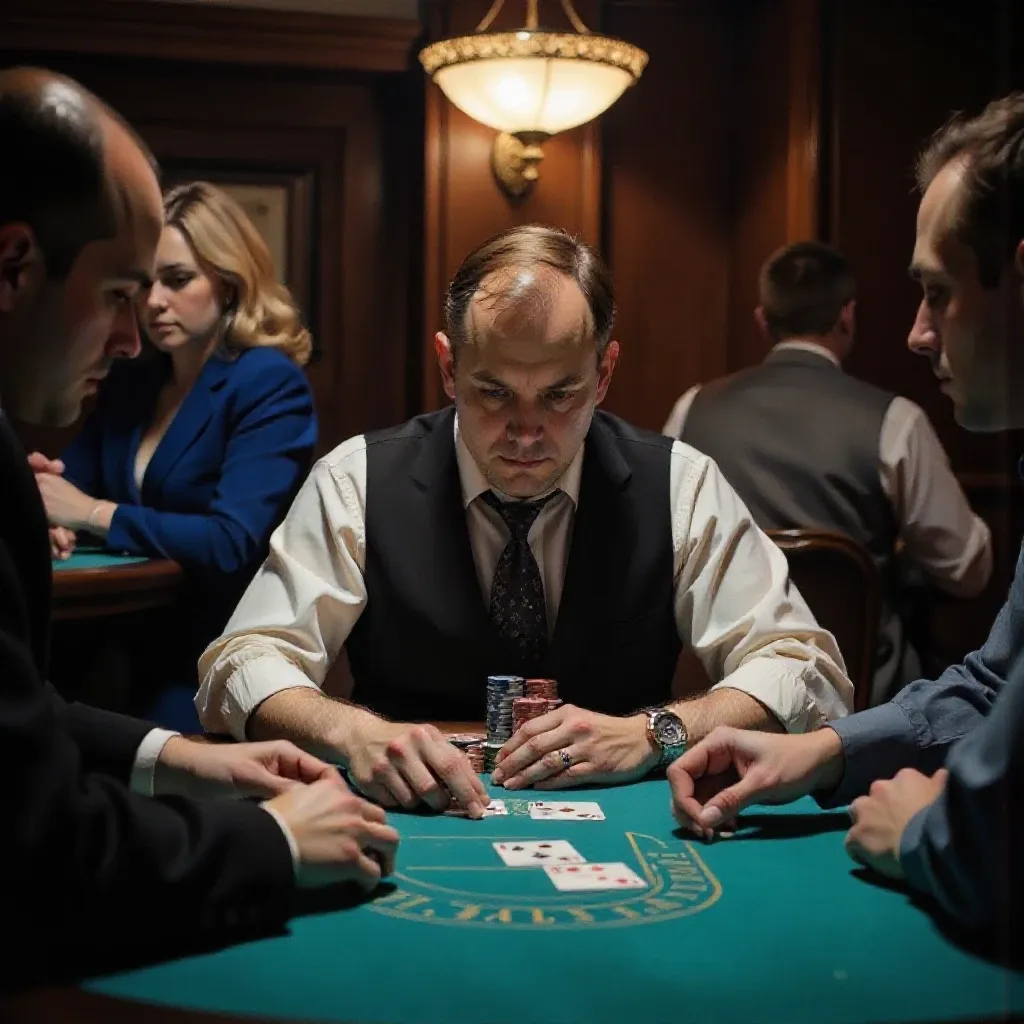
Live poker is more than just cards and chips; it’s a vibrant social experience that fosters a unique sense of community. Forget the hushed intensity of online play – the live poker scene buzzes with conversation, friendly banter, and shared excitement. It’s a place where strangers become acquaintances and acquaintances can even turn into lifelong friends.
The poker table is a level playing field where people from all walks of life come together. Whether you’re a seasoned pro or a complete beginner, you’re all united by a love of the game. This shared passion sparks conversations, jokes, and memorable moments. Imagine celebrating a hard-fought win with a high-five from your opponent, or commiserating over a bad beat with a knowing nod. These small interactions weave the fabric of poker camaraderie.
Many players find that the live poker scene becomes an important part of their social lives. Poker leagues and tournaments provide regular opportunities to connect with like-minded individuals. These events often extend beyond the felt, with players grabbing a bite to eat together, discussing strategy, or simply enjoying each other’s company. These gatherings strengthen bonds and create a sense of belonging within the poker community.
While the competitive spirit is always present, the overwhelming atmosphere is one of support and respect. Players learn from each other, celebrate each other’s successes, and offer encouragement during tough times. It’s this blend of competition and camaraderie that makes the live poker scene so appealing and rewarding for so many.
More Than Just Cards: The Sensory Experience
The allure of a poker room extends far beyond the simple act of playing cards. It’s a multi-sensory immersion – a vibrant environment where sounds, scents, and sights converge to create a unique and engaging experience. The clinking of chips becomes a rhythmic pulse, a constant reminder of the stakes and potential rewards. A low murmur of conversations weaves through the room, carrying whispers of strategy, bravado, and the occasional table banter. The crisp shuffle of cards cuts through the background noise, a promise of fresh possibilities and fortunes yet to be decided. The overall energy is palpable, a mix of excitement, tension, and anticipation that electrifies the air. This sensory tapestry elevates the game, transforming it from a mental exercise into a visceral adventure.
Knowing how to navigate this environment, use it to your advantage, or protect yourself against manipulation from it are all applicable poker tactics. Understanding how to focus inside a real life poker environment is key to improving as a poker player.
The Rhythmic Sound of Play: How It Affects Focus
The rhythmic soundscape of a poker room, while contributing to the overall atmosphere, can also be a significant distraction. Learning to filter out the noise and maintain focus amidst the cacophony is a crucial skill for any serious player. Some sounds, like the distinct click of high-value chips, can subconsciously influence decisions, while others, such as excited outbursts from neighboring tables, can disrupt concentration. Recognizing these auditory cues without allowing them to derail your strategic thinking is an essential part of mastering the live poker experience. This is where experience gives one player an advantage from another.
Bankroll Management and Etiquette: Mastering the Live Game
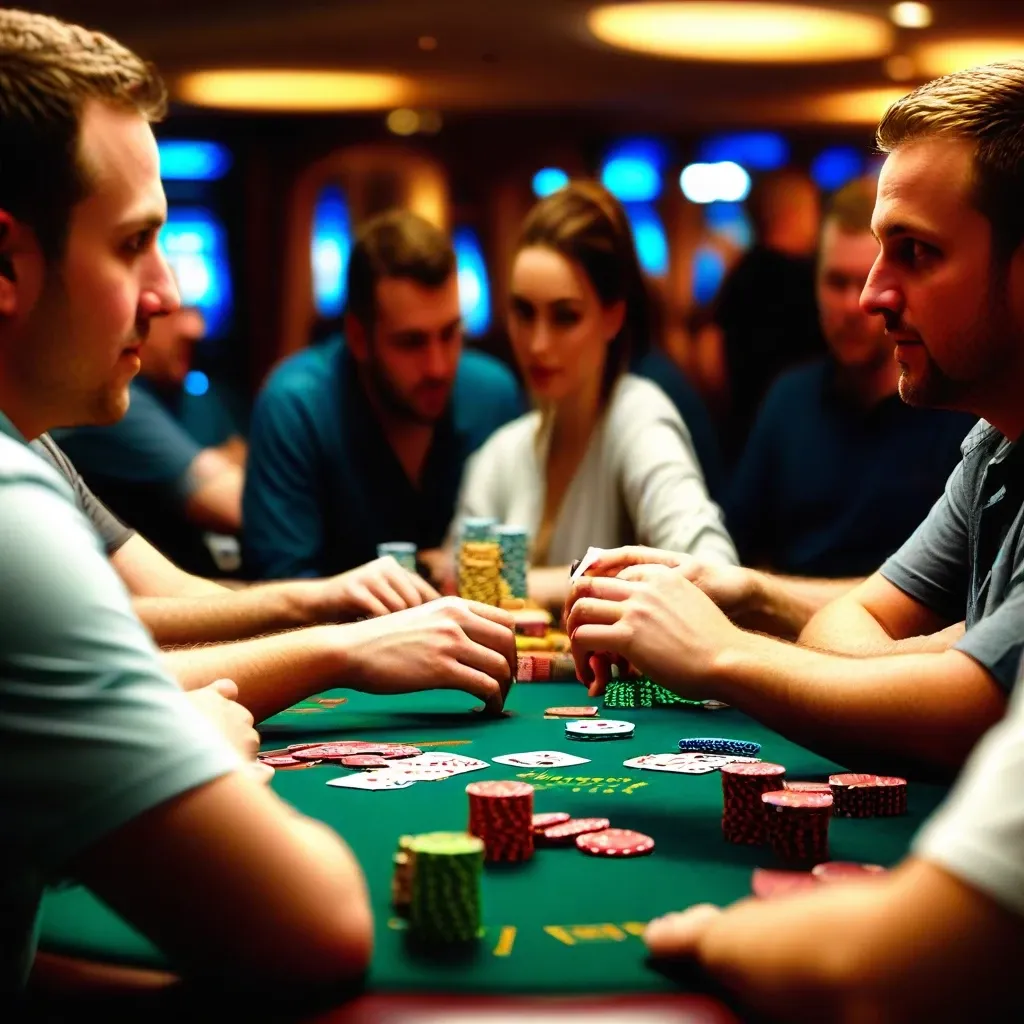
Succeeding in live poker demands more than just understanding the game’s rules; it requires disciplined bankroll management and a strong grasp of poker etiquette. These elements are the foundation for consistent performance and a positive experience at the table.
Poker Bankroll Management: Playing Within Your Limits
Smart poker begins with diligent bankroll management. Unlike online poker, live games involve significant time commitments and travel expenses. To avoid disaster, set clear limits for each session and adhere to them strictly. Determine the maximum amount you’re prepared to lose and stick to it. Furthermore, understand variance. Downswings are inevitable, so having a sufficient bankroll will help you to withstand these periods without being forced to drop down in stakes or quit altogether. For live games, consider having at least 20-30 buy-ins for the stakes you are playing.
Poker Etiquette: Maintaining a Respectful Atmosphere
Poker etiquette is paramount for a harmonious and enjoyable experience for everyone at the table. Respect other players by avoiding excessive chatter and personal insults. Do not slow play; make decisions in a timely manner to keep the game flowing. Be mindful of your actions and how they impact others. Properly handle your chips and clearly announce your bets. When it’s your turn to act, be ready. Excessive tanking is frowned upon. Keep the game atmosphere positive and engaging for all participants. By exhibiting good behavior, you contribute to a more pleasurable and professional poker environment.
Sustaining the Passion: How Live Poker Endures
Despite the rise of online platforms, live poker continues to demonstrate remarkable resilience. Its enduring appeal lies in a potent combination of social interaction, psychological engagement, and the tangible thrill that a digital interface simply cannot replicate. The nuances of body language, the subtle tells, and the palpable energy of a live game create an environment that seasoned players and newcomers alike find uniquely captivating.
Several factors contribute to the sustained live poker growth. High-stakes tournaments featuring professional poker players serve as powerful promotional tools, drawing attention to the strategic depth and potential rewards of the game. These events capture the imagination of aspiring players, inspiring them to test their skills at local card rooms. Furthermore, for many, the social aspect of live poker remains a primary draw. It provides an opportunity to connect with others who share a passion for the game, fostering camaraderie and friendly competition. This social dynamic distinguishes live poker from its online counterpart, which can often feel isolating.
Looking ahead, the future of poker likely involves a symbiotic relationship between live and online formats. While online poker offers convenience and accessibility, live poker provides an irreplaceable, visceral experience. As new generations discover the allure of the felt, live poker is poised to not only endure but to thrive, adapting to changing player preferences while preserving the core elements that have made it a beloved pastime for decades. Current poker trends suggest a growing interest in smaller, more intimate live games, emphasizing community and social engagement over high-stakes competition.
Conclusion
Live poker’s allure lies in its multifaceted nature. It’s a mental duel demanding sharp strategic thinking, a social gathering fostering camaraderie, and a sensory immersion heightening the stakes. The rustle of chips, the focused gazes, and the palpable tension create an atmosphere absent in the digital realm.
The intricate dance of reading opponents, bluffing with conviction, and making calculated decisions under pressure makes every hand a unique narrative. This combination of skill and social dynamics sustains live poker’s timeless appeal. So, shuffle up and deal yourself into the action. Visit a local poker room and experience the thrill firsthand. The felt awaits—are you ready to play?